
Auxiliary View Drawing
Auxiliary View Drawing - Web best practices for auxiliary view drawing in design engineering in design engineering, the mastery of creating auxiliary views hinges on adhering to sound practices that ensure the highest levels of precision and clarity. Web auxiliary views are used to show the true shape and size of an inclined or oblique surface in an orthographic drawing. In the first type, the auxiliary view is projected from the front view of a three view (orthographic) drawing. Web engineering drawing views serve as the foundation of technical design processes, offering a visual representation of objects or systems from various angles. Auxiliary view | hcc learning The true shape of the inclined face (a) cannot be seen in the front view and is foreshortened in the side and top views. However, a view on a plane parallel to the inclined surface does show its true size and shape. Auxiliary view that will reveal the true shape of a feature must be projected from a view that shows an inclined face Detail component drawings are most often 2d engineering drawings of parts with necessary information for construction, manufacturing, or inspection. Important for you to understand how an auxiliary view relates to the other principal views and be able to identify an auxiliary. Important for you to understand how an auxiliary view relates to the other principal views and be able to identify an auxiliary. Web chapter 5 auxiliary and section views auxiliary views introduction. Here are a few essential practices for drawing auxiliary views effectively: Create an auxiliary view from orthographic views. Web auxiliary views are used to show the true shape and size of an inclined or oblique surface in an orthographic drawing. The direction of the selected surface determines the projection channel. If the auxiliary plane is not perpendicular to any principal plane, then the shape formed on such plane is called secondary auxiliary views. A tertiary auxiliary view is a single view projected from a secondary or another tertiary auxiliary view. Auxiliary view | hcc learning Multiview projection is an orthographic projection for. There are three basic type of auxiliary views. A tertiary auxiliary view is a single view projected from a secondary or another tertiary auxiliary view. Important for you to understand how an auxiliary view relates to the other principal views and be able to identify an auxiliary. In the second and third types of drawings, the auxiliary views are projected. Web there are three basic type of auxiliary views. In the first type, the auxiliary view is projected from the front view of a three view (orthographic) drawing. Web in orthographic projection, standard drawing views are created on the standard projection planes of top (horizontal), front (frontal), side (profile). Important for you to understand how an auxiliary view relates to. Web if you and your spouse both have a personal my social security account, you can view an estimate of the benefits you could receive based on your spouse’s record. A tertiary auxiliary view is a single view projected from a secondary or another tertiary auxiliary view. Web chapter nine auxiliary views objectives after studying the material in this chapter,. Web auxiliary views are used to show the true shape and size of an inclined or oblique surface in an orthographic drawing. In the second and third types of drawings, the auxiliary views are projected from the top. Figure 8 illustrates another basic principle of descriptive geometry that facilitates the discussion of auxiliary views: In the first type, the auxiliary. Auxiliary view | hcc learning Workforce libretexts provides a comprehensive guide on how to construct and interpret auxiliary views, with examples, exercises, and quizzes. Web auxiliary views are commonly found on many types of industrial drawings. Web auxiliary views are used to show the true shape and size of an inclined or oblique surface in an orthographic drawing. Divorced spouses. This is an auxiliary view. Web auxiliary and section views are used to supplement standard views in order to clarify views, improve visualization of designs, and facilitate dimensioning of drawings. If this plane is perpendicular to some principal plane, then the drawing on such drawing is called primary auxiliary views. Given two planes (a and c) perpendicular to a third. In the first type, the auxiliary view is projected from the front view of a three view (orthographic) drawing. Too many views can make a drawing difficult to read and more expensive to create. Here is a front view auxiliary of a simple object with an inclined surface. Learn the basics of blueprint reading and improve your technical. Web chapter. Auxiliary view | hcc learning Web best practices for auxiliary view drawing in design engineering in design engineering, the mastery of creating auxiliary views hinges on adhering to sound practices that ensure the highest levels of precision and clarity. Web in orthographic projection, standard drawing views are created on the standard projection planes of top (horizontal), front (frontal), side (profile).. Web the auxiliary plane is assumed to be parallel to the inclined surface. A tertiary auxiliary view is a single view projected from a secondary or another tertiary auxiliary view. Web auxiliary views are commonly found on many types of industrial drawings. Web 15 auxiliary views objectives after reading this chapter, you will be able to draw primary auxiliary views. Orthographic projection is a parallel projection technique in which the plane of projection is positioned between the observer and the object, and is perpendicular to the parallel lines of sight.orthographic projection techniques can be used to produce both pictorial and multiview drawings. However, a view on a plane parallel to the inclined surface does show its true size and shape.. Here is a front view auxiliary of a simple object with an inclined surface. The labeling convention for the reference or fold lines in auxiliary view construction can vary. However, a view on a plane parallel to the inclined surface does show its true size and shape. Web if you and your spouse both have a personal my social security account, you can view an estimate of the benefits you could receive based on your spouse’s record. However, the labels are normally descriptive in nature. Important for you to understand how an auxiliary view relates to the other principal views and be able to identify an auxiliary. Divorced spouses can get benefits, too. If the auxiliary plane is not perpendicular to any principal plane, then the shape formed on such plane is called secondary auxiliary views. Web auxiliary and section views are used to supplement standard views in order to clarify views, improve visualization of designs, and facilitate dimensioning of drawings. Create an auxiliary view from orthographic views. Given two planes (a and c) perpendicular to a third plane (b), a point p projected orthogonally onto the three planes, and the rotation of a and c into b about their respective lines of. In the second and third types of drawings, the auxiliary views are projected from the top. There are three basic type of auxiliary views. In the first type, the auxiliary view is projected from the front view of a three view (orthographic) drawing. Web there are three basic type of auxiliary views. The frontal and profile planes are vertical, while the top is horizontal.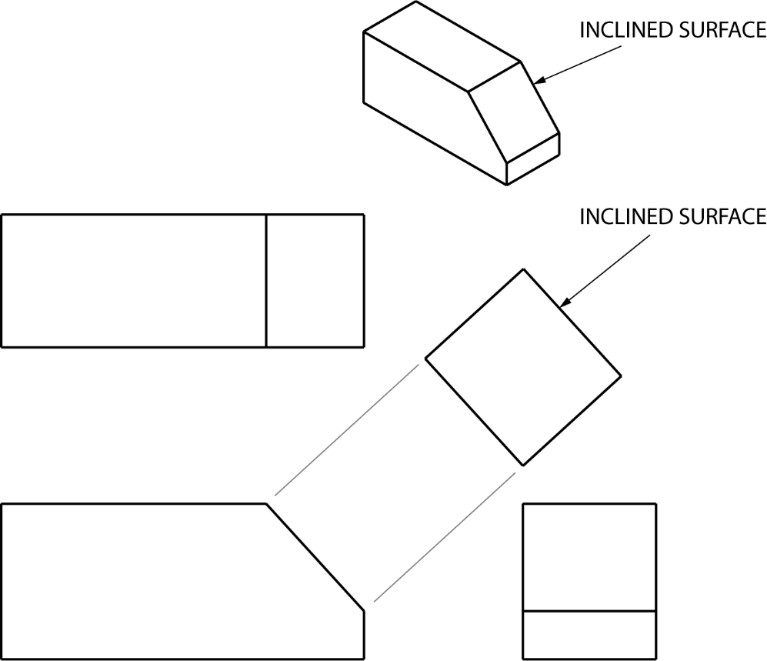
Auxiliary Views Basic Blueprint Reading
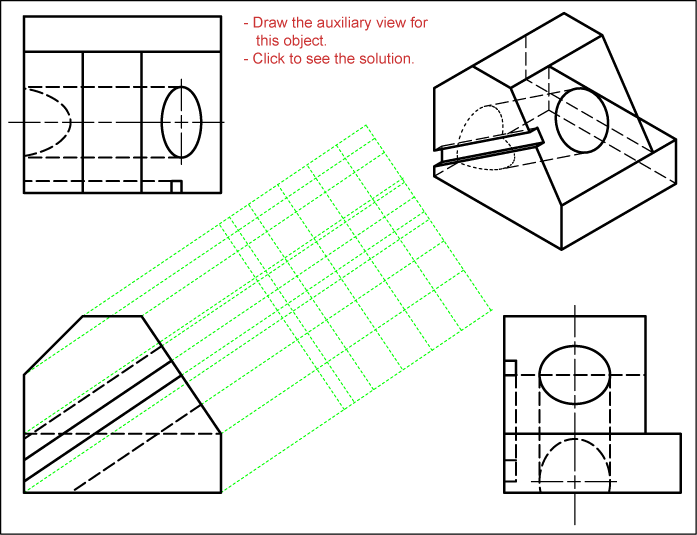
What Is Auxiliary Plane Types of Auxiliary Plane Types of Auxiliary
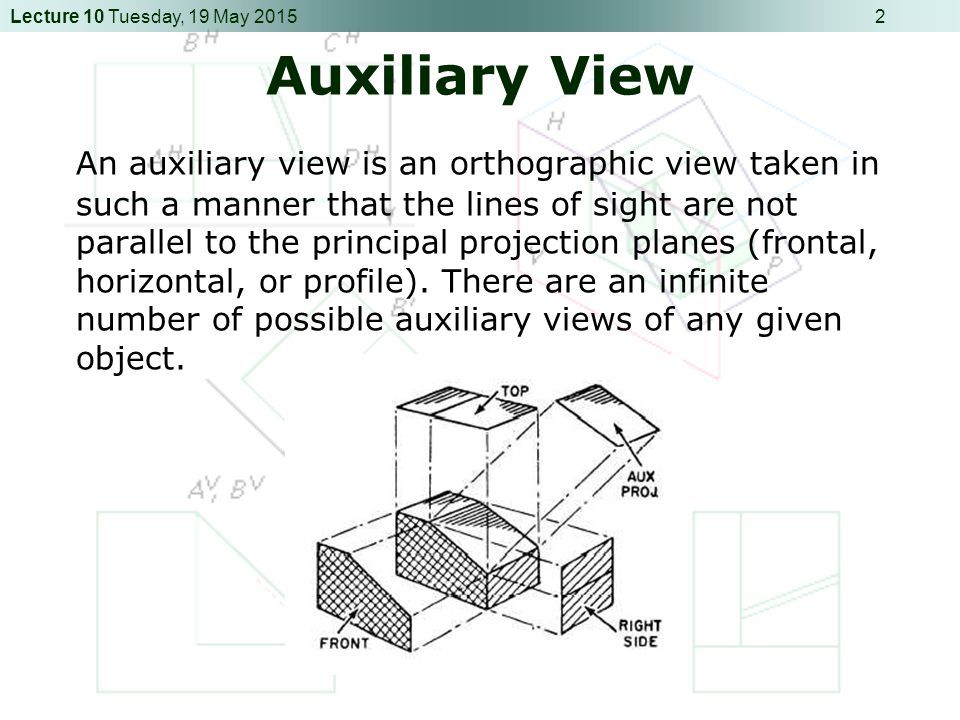
Auxiliary Views FREEMAN'S TECH ED SITE

Auxiliary Views//Engineering Drawing //Engineering Graphics YouTube

ENGR 1304 Ch5 Auxiliary Views
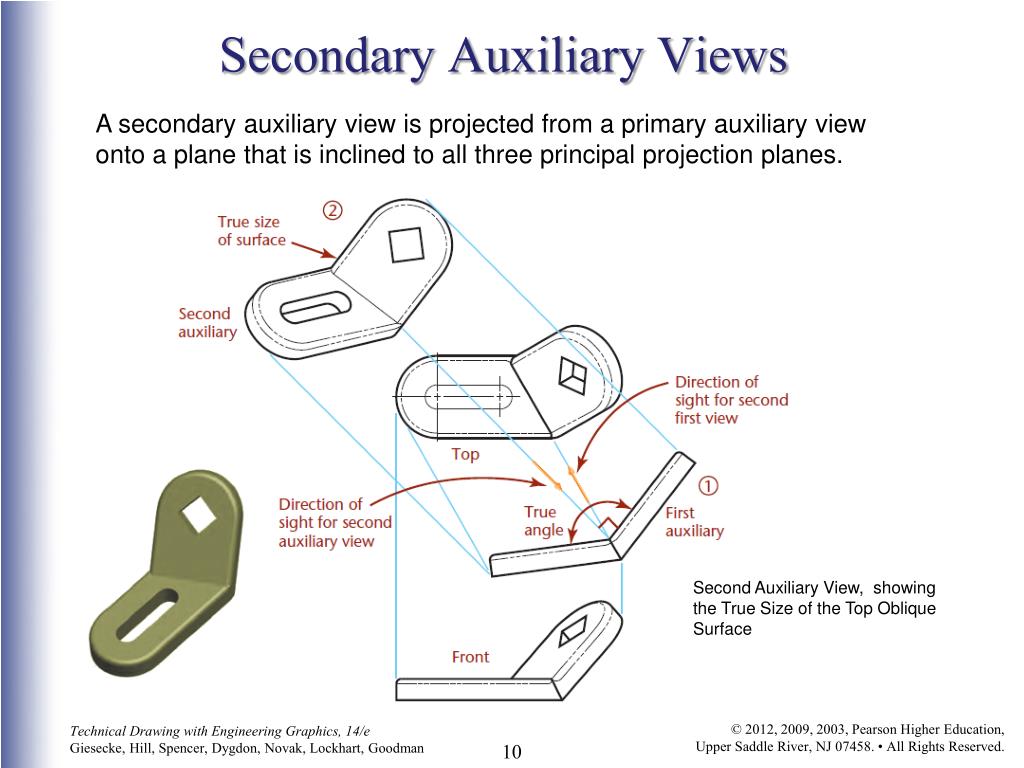
Auxiliary View

Auxiliary view in engineering drawing YouTube

ENGR1304 Chapter 5 Auxiliary Views

Drawing 04_01 Primary Auxiliary View YouTube
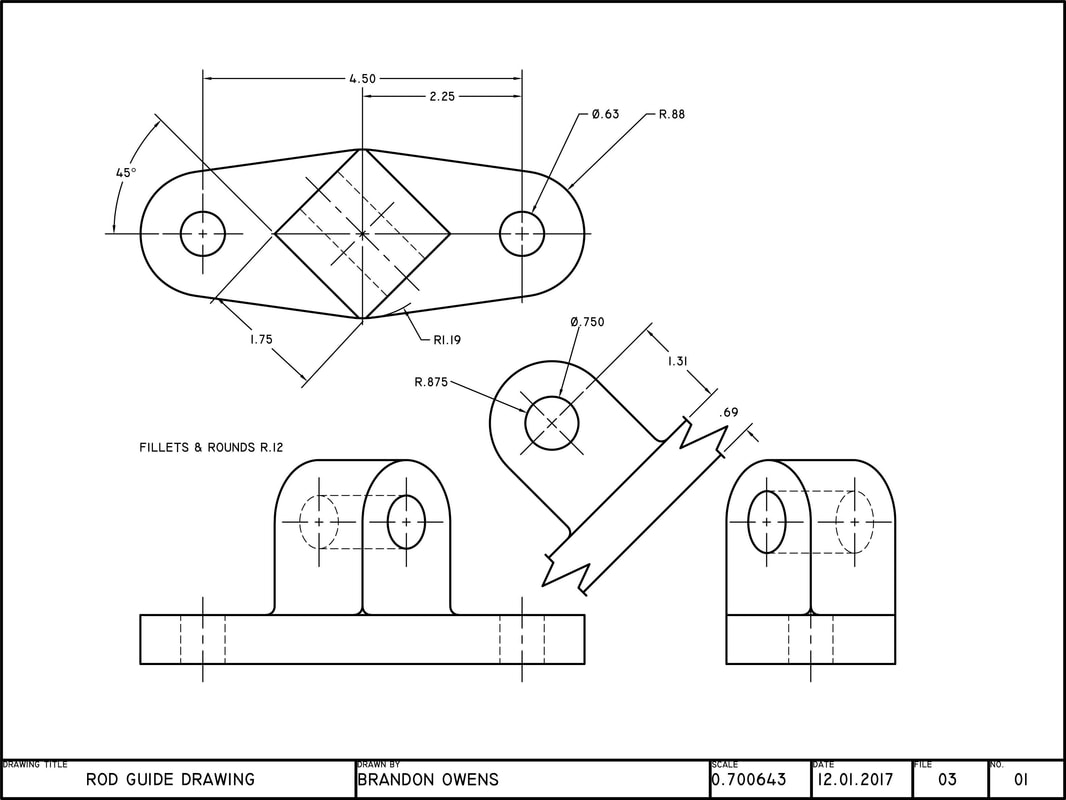
AUXILIARY DRAWINGS BRANDON OWENS' PORTFOLIO
To Show The True Size And Shape Of This Face, An Additional, Or Auxiliary View Must Be Added To These Three Views.
Web Best Practices For Auxiliary View Drawing In Design Engineering In Design Engineering, The Mastery Of Creating Auxiliary Views Hinges On Adhering To Sound Practices That Ensure The Highest Levels Of Precision And Clarity.
Omitting Views That Provide True Size Views Of Features.
Too Many Views Can Make A Drawing Difficult To Read And More Expensive To Create.
Related Post: