
Dust Bowl Drawing
Dust Bowl Drawing - Web this summer's dry weather is drawing comparisons to the droughts of the 1950s and even the dust bowl years of the 1930s. History, covering more than 75 percent of the country and affecting 27 states severely. Web 1969.123.pdf the dust storms of the 1930s moved millions of tons of topsoil across america's heartland, wiping out farms and ranches that had stood for generations. Web a line drawing of the internet archive headquarters building façade. Director christopher nolan features interviews from the 2012 documentary the dust bowl to draw further parallels. Web great dust storms spread from the dust bowl area. The area’s grasslands had supported mostly stock raising until world war i, when millions of acres were put under the plow in order to grow wheat.following years of overcultivation and generally poor land management in the 1920s, the region—which. This lesson pairs a work of art about the dust bowl, the print dust by mervin jules, with a verse novel on the same subject, out of the dust by karen hesse, which is. Amy andrews, chicago public schools jennifer chisholm, district 65 judy koon, mary and leigh block museum of art sarah salto, mary and leigh block museum of art summary: It was one of the largest migrations in american history. Earth day has held something of a slippery place in my research. Most farm families did not flee the dust bowl. When the storms first began to spread across the region during the early 1930s, many thought they were apocalyptic, divine. Describes the people and events of the u.s. Web for the musically inclined, woody guthrie’s dust bowl ballads define the event with evocative lyrics such as those in “the great dust storm”. Web roughly 2.5 million people left the dust bowl states—texas, new mexico, colorado, nebraska, kansas and oklahoma—during the 1930s. The drought is the worst ever in u.s. Web the dust storms of the 1930s moved millions of tons of topsoil across america's heartland, wiping out farms and ranches that had stood for generations. The reader's choices reveal the historical details from the perspectives of a farmer, a migrant worker, and a government. Web dust bowl multimedia project | the art of the dust bowl | photography of the dust bowl | the plow that broke the plains | will rogers's dust bowl | additional resources on the website | about the author | about the image. It was one of the largest migrations in american history. Web the 1930s american dust bowl was an environmental catastrophe that greatly eroded sections of the plains. The phrase “dust bowl” originated in a 1935 newspaper account of a tremendous dust storm that drifted across colorado, kansas, oklahoma, and texas, and was quickly adopted more widely as a term to. 2 1/4 x 2 1/4 inches or smaller. Web the 1930s american dust bowl was an environmental catastrophe that greatly eroded sections of the plains. Mike sevick’s painting captures the horror of an incoming storm in the dust bowl. Web check out our dust bowl drawing selection for the very best in unique or custom, handmade pieces from our shops.. Describes the people and events of the u.s. Grace and michaela, thanks for joining me. The reader's choices reveal the historical details from the perspectives of a farmer, a migrant worker, and a government. The area’s grasslands had supported mostly stock raising until world war i, when millions of acres were put under the plow in order to grow wheat.following. Web great dust storms spread from the dust bowl area. Web the dust bowl was the result of a period of severe dust storms that greatly damaged the ecology and agriculture of the american and canadian prairies during the 1930s. I published a book a few years ago about american. Web exploring the history of the dust bowl through art. Web this summer's dry weather is drawing comparisons to the droughts of the 1950s and even the dust bowl years of the 1930s. Web the dust storms of the 1930s moved millions of tons of topsoil across america's heartland, wiping out farms and ranches that had stood for generations. Director christopher nolan features interviews from the 2012 documentary the dust. Web this summer's dry weather is drawing comparisons to the droughts of the 1950s and even the dust bowl years of the 1930s. Students closely read and compare the lithograph dust by mervin jules and “blankets of black,” a poem from out of the dust by karen hesse, in order to understand the effects of dust storms on people and. Web a line drawing of the internet archive headquarters building façade. The area’s grasslands had supported mostly stock raising until world war i, when millions of acres were put under the plow in order to grow wheat.following years of overcultivation and generally poor land management in the 1920s, the region—which. This lesson pairs a work of art about the dust. Web exploring the history of the dust bowl through art of the great plains. Web a line drawing of the internet archive headquarters building façade. Web photo, print, drawing one of the pioneer women of the oklahoma panhandle dust bowl 1 negative : Web the term dust bowl was suggested by conditions that struck the region in the early 1930s.. Web this summer's dry weather is drawing comparisons to the droughts of the 1950s and even the dust bowl years of the 1930s. An illustration of a heart shape donate to the archive an illustration of a magnifying glass. Web the term dust bowl was suggested by conditions that struck the region in the early 1930s. Describes the people and. When the storms first began to spread across the region during the early 1930s, many thought they were apocalyptic, divine. Web photo, print, drawing one of the pioneer women of the oklahoma panhandle dust bowl 1 negative : Web experiencing a dust storm. The area’s grasslands had supported mostly stock raising until world war i, when millions of acres were. Web a dust storm during the 1930s, via the new york times; Web the dust storms of the 1930s moved millions of tons of topsoil across america's heartland, wiping out farms and ranches that had stood for generations. History, covering more than 75 percent of the country and affecting 27 states severely. Web the term dust bowl was suggested by conditions that struck the region in the early 1930s. Impressions of the dust bowl have been shaped by literature, photography, and individual stories. It was one of the largest migrations in american history. With dust bowl painting by mike sevick, via university of michigan, flint. Emphasis on the arts is found in many of ken burns’s films, and the dust bowl is no. Web a line drawing of the internet archive headquarters building façade. Web the 1930s american dust bowl was an environmental catastrophe that greatly eroded sections of the plains. I published a book a few years ago about american. Technology and techniques developed from those hard times are helping to. Web the dust bowl was the result of a period of severe dust storms that greatly damaged the ecology and agriculture of the american and canadian prairies during the 1930s. Director christopher nolan features interviews from the 2012 documentary the dust bowl to draw further parallels. The reader's choices reveal the historical details from the perspectives of a farmer, a migrant worker, and a government. Amy andrews, chicago public schools jennifer chisholm, district 65 judy koon, mary and leigh block museum of art sarah salto, mary and leigh block museum of art summary: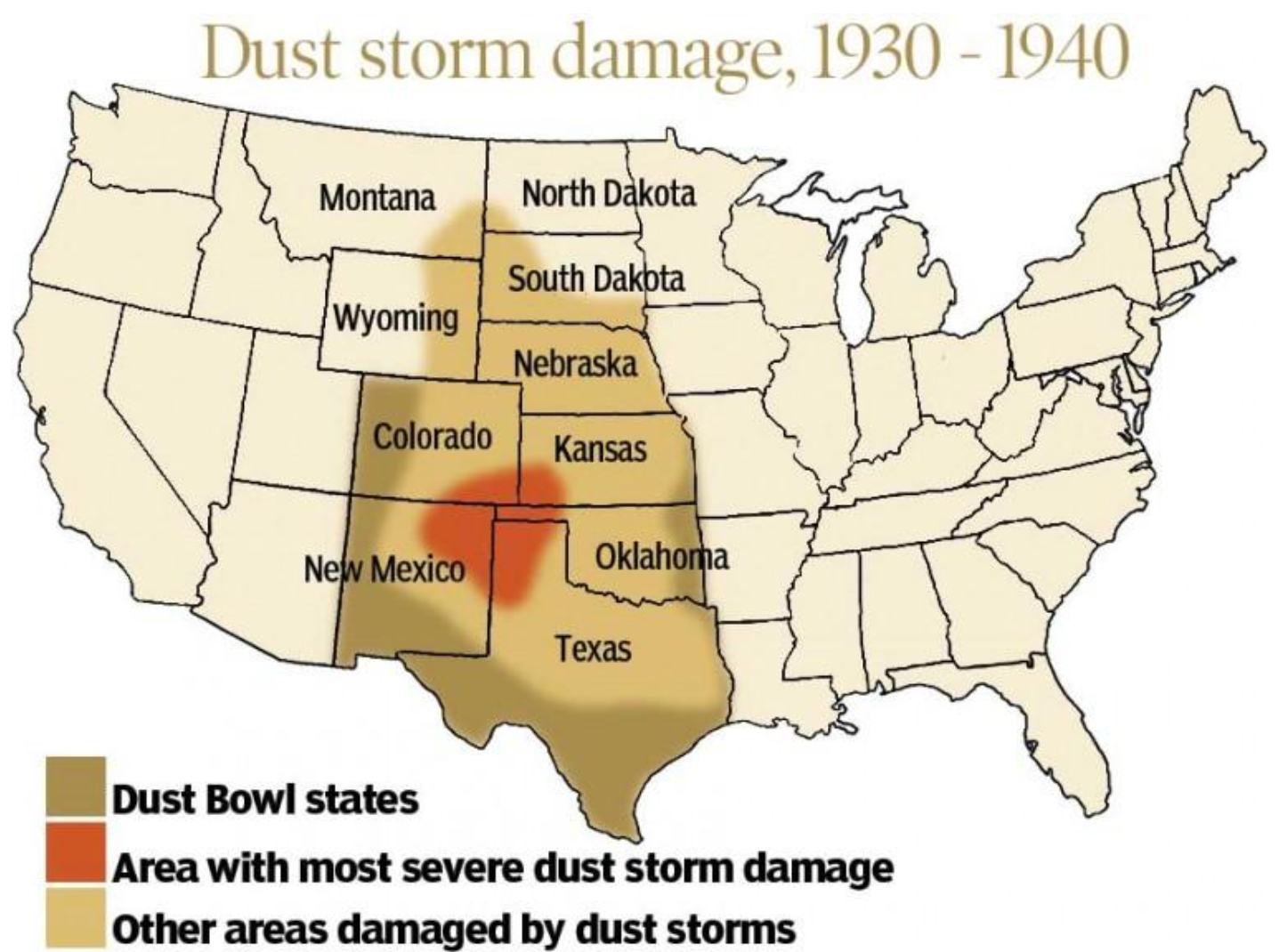
The Dust Bowl (c. 19301940) Climate in Arts and History

Dust Bowl Drawing Drawing.rjuuc.edu.np
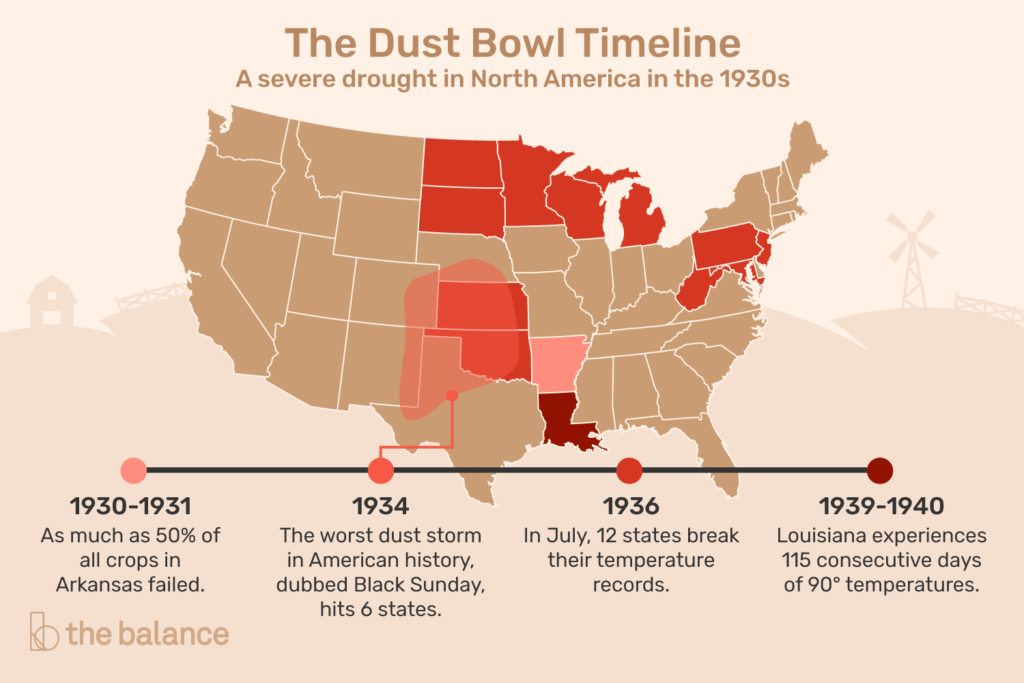
The Dust Bowl, Its Causes, Impact, With a Timeline and Map GraduateWay
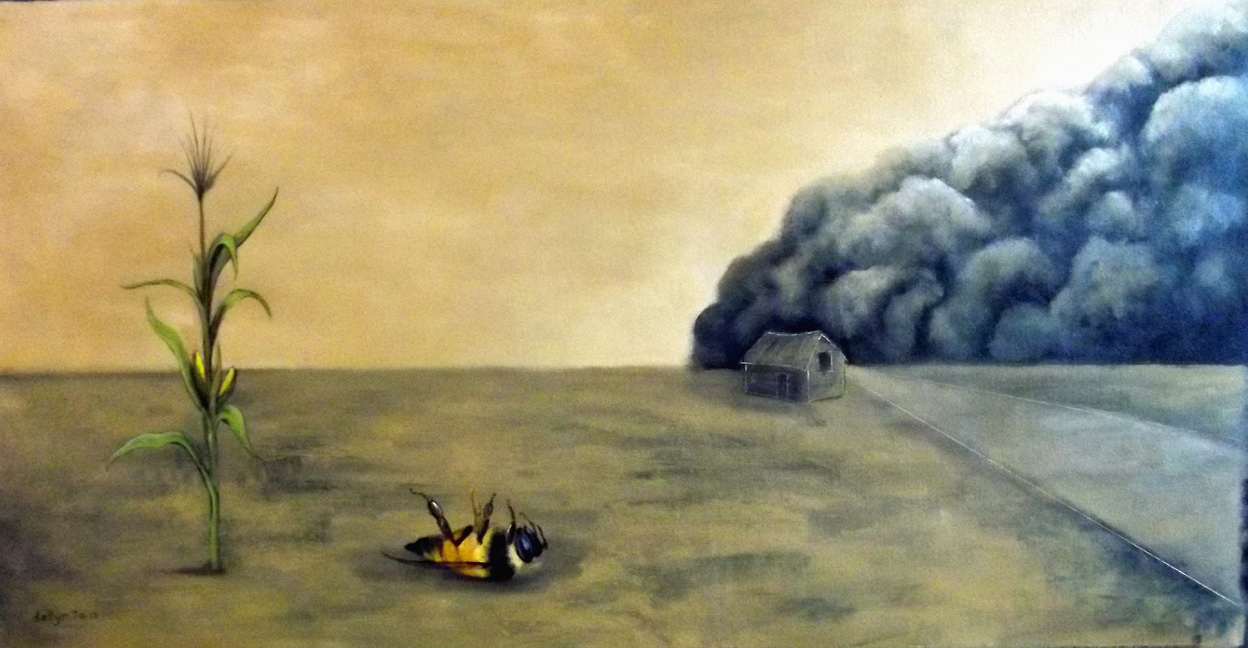
Dust Bowl Painting at Explore collection of Dust
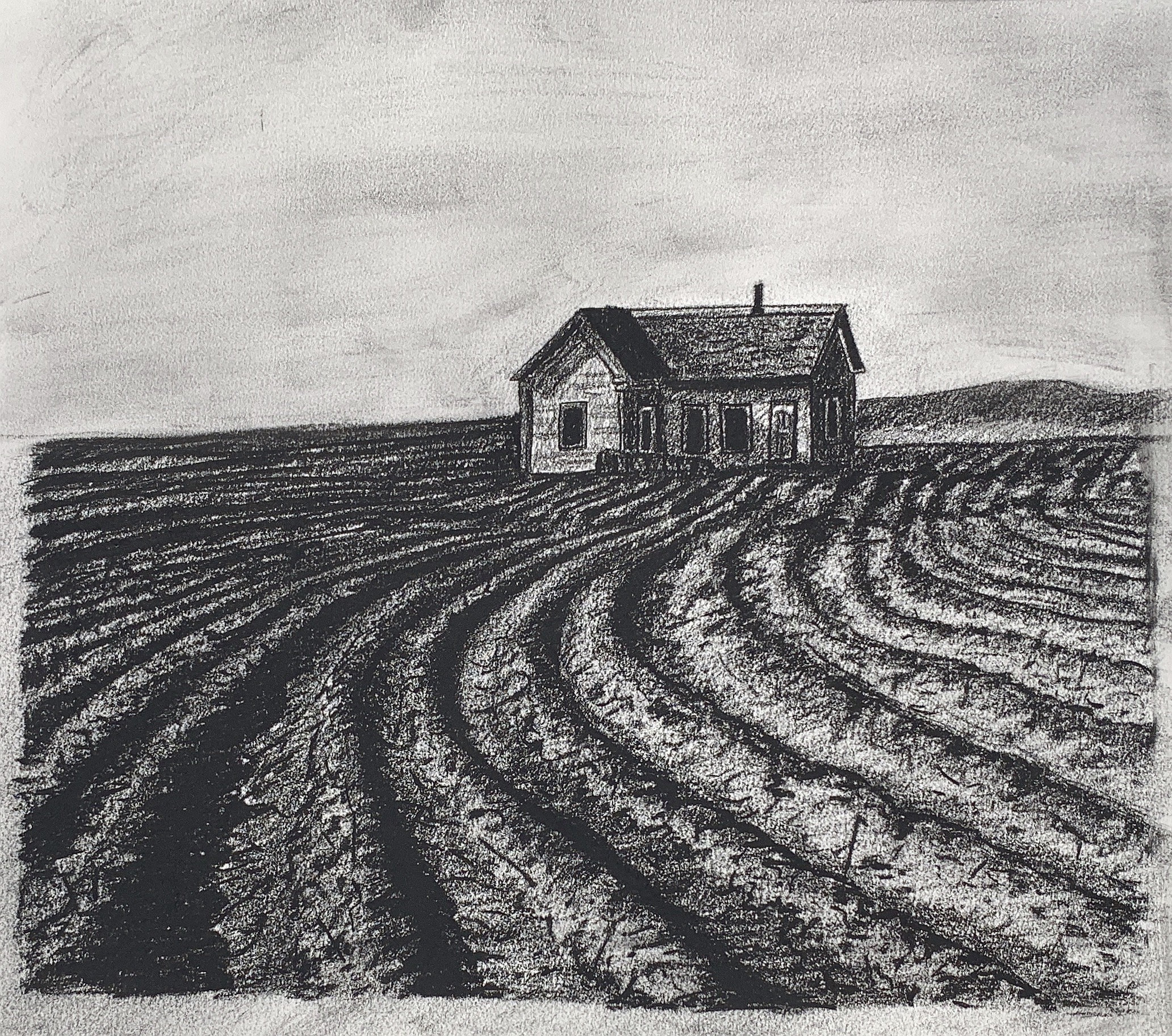
Dust Bowl Farm Charcoal Drawing Great Depression Etsy
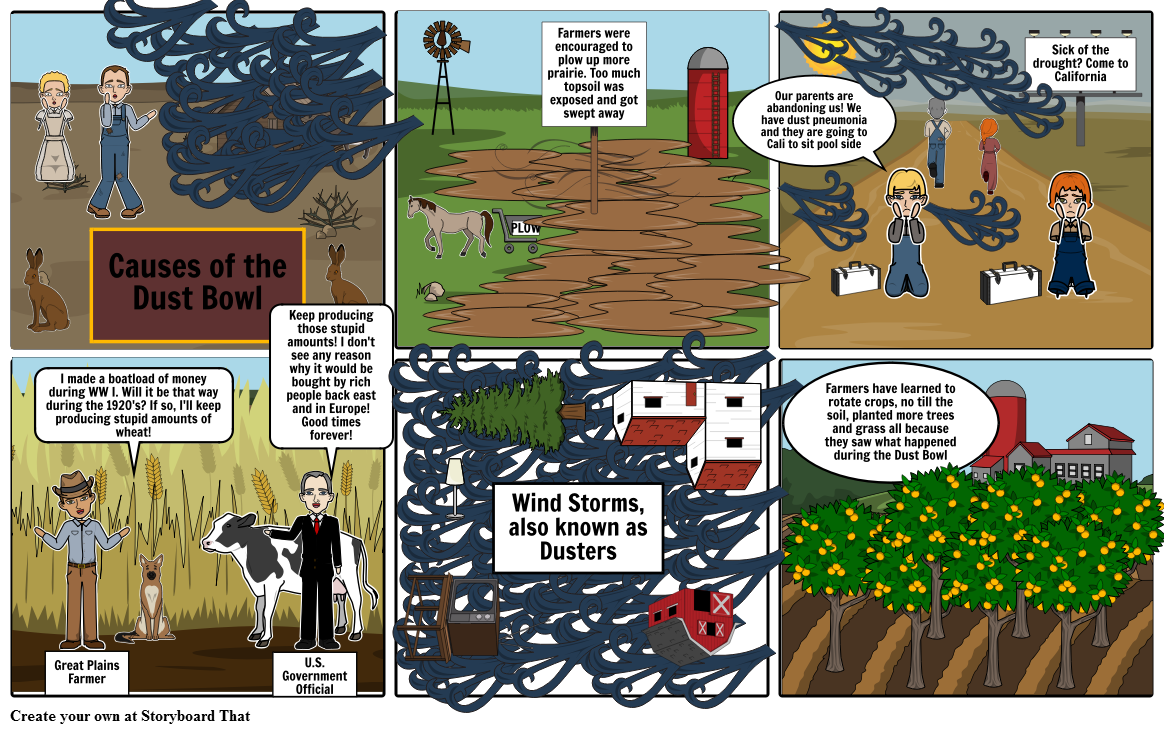
Causes of the Dust Bowl Storyboard by kcarlson41
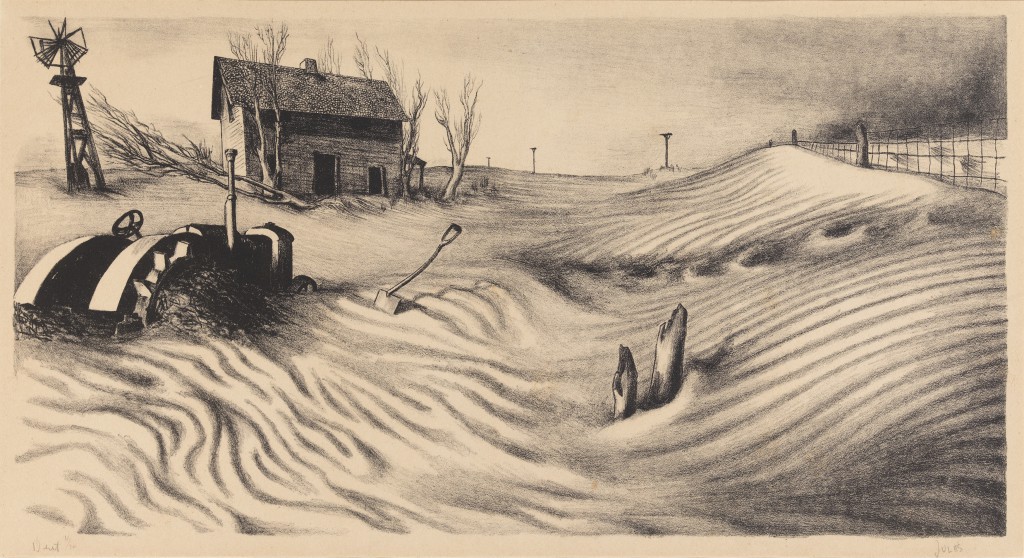
The Dust Bowl Experience Terra Foundation for American Art

The Dust Bowl as Told in American Art
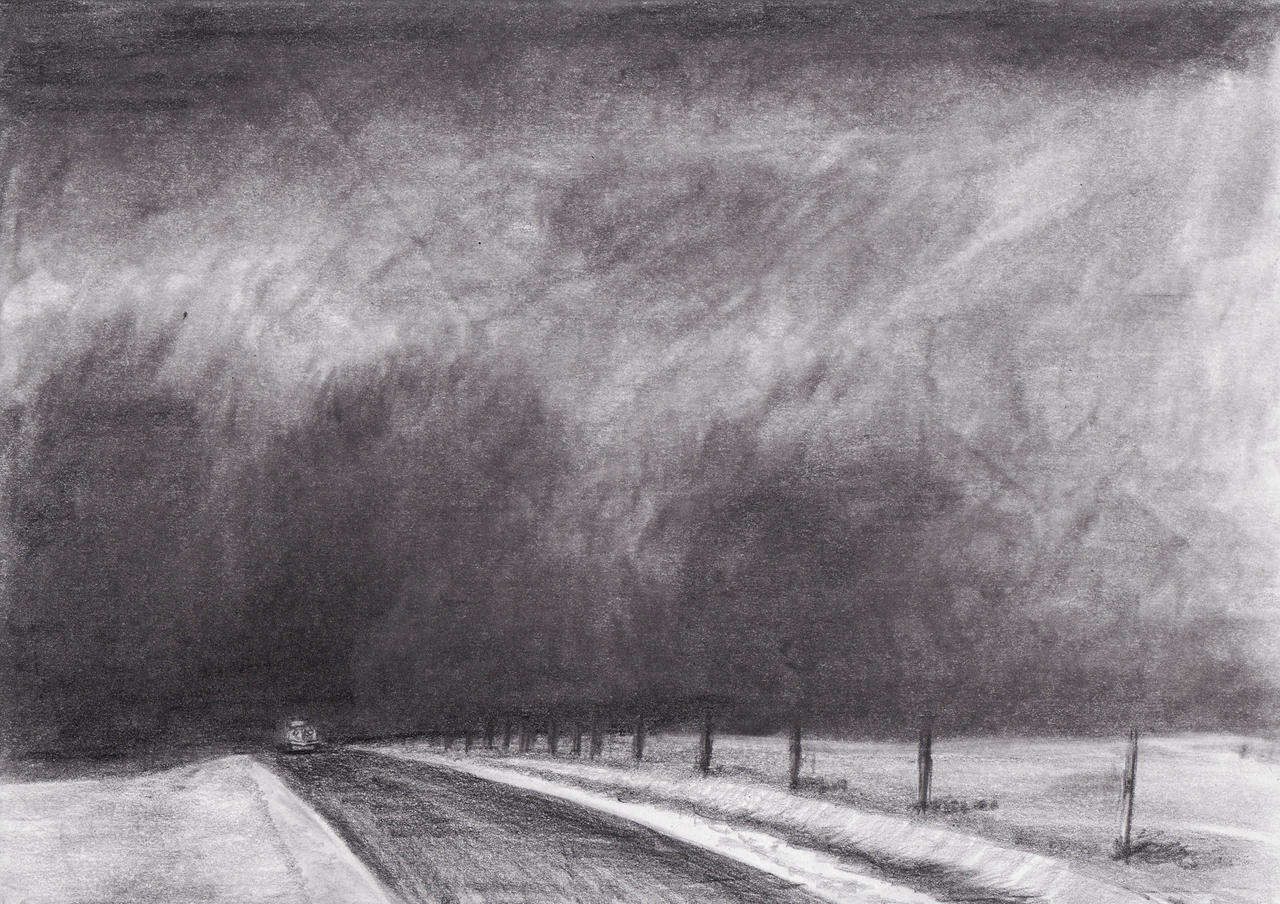
Dust Bowl by Dubrik on DeviantArt

Sam Larson on Instagram “The Dust Bowl, The West, and The National
Amy Andrews, Chicago Public Schools Jennifer Chisholm, District 65 Judy Koon, Mary And Leigh Block Museum Of Art Sarah Salto, Mary And Leigh Block Museum Of Art Summary:
Grace And Michaela, Thanks For Joining Me.
Web What Were “The Dust Bowl” And The “Dirty Thirties”?
This Lesson Is Designed As A Culminating Activity About The Dust Bowl.
Related Post: